

Chief Executive Blog: Heatwaves, hosepipe bans and peak demand
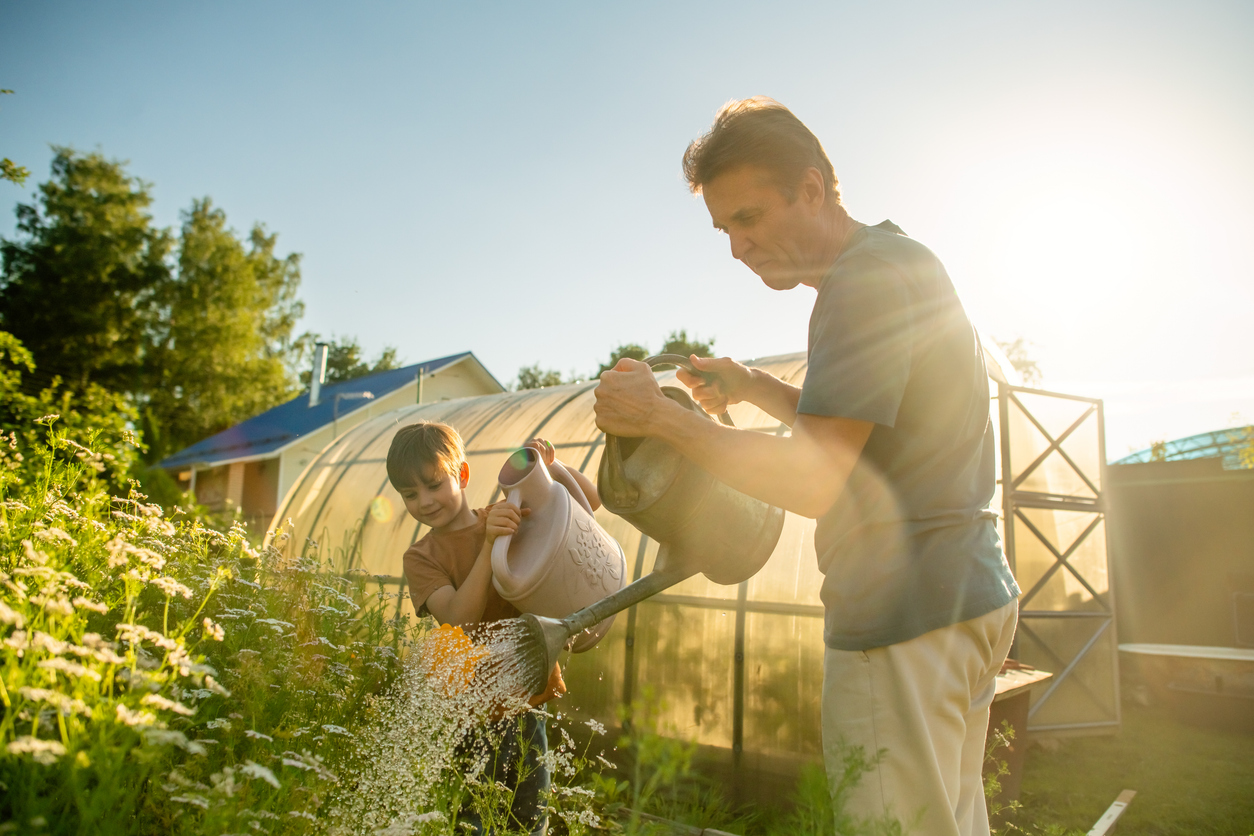
So far we’ve sweltered through three heatwaves this year, including record-breaking June temperatures. These records haven’t just been broken – they’ve been smashed. We need to get used to this new normal for our weather, caused by burning fossil fuels which drive climate change.
The Met Office recently said that the temperature of the hottest day of the year had increased by 4.5°C for some parts of England. This helps us put the average annual temperature increases, which are often reported, into the context of the weather we experience on any given day.
Soaring temperatures increase our thirst for water
We’ve experienced this first hand as we’ve all struggled in these hot and dry conditions and many of us have changed behaviours. A recent survey of our Water Voice consumer panel community revealed that 81% of people increased their water use during heatwaves. This is no great surprise as people tried to stay cool.
We’ve also seen some water companies struggling to cope with supplying water at certain times of day, with customer demand hitting new heights. The same consumer panel research revealed that only around a third of people fully understood that lots of people using water simultaneously can cause problems in terms of low pressure or even supply interruptions – even if there is enough untreated water in reservoirs.
Incentivising smarter water use
The concept of peak times/peak demand is something we’re familiar with in electricity. It’s why some energy providers offer reduced tariffs when there’s surplus electricity and customer incentives to switch off and power down at peak times. We’re also used to the concept in transport with peak fares at rush hours to encourage people to travel at less busy times.
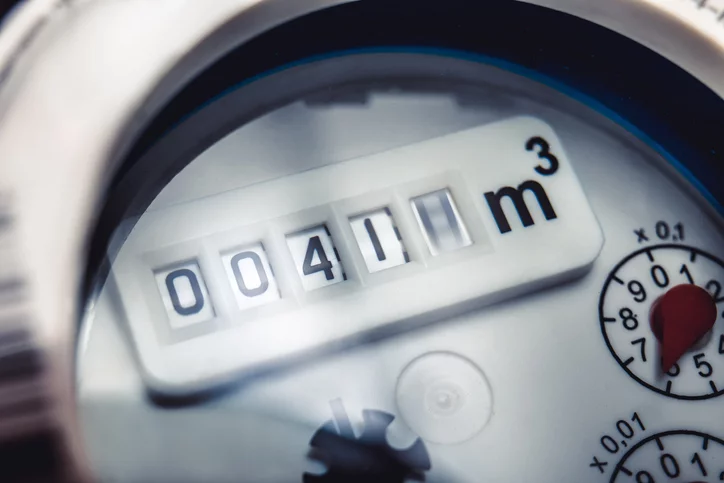
We’re not so used to thinking about the water equivalent of ‘rush hour’ – those times when we all want to turn on the tap. We asked people what would make them shift their usage to “quieter” times of the day. The top two answers were financial incentives (44%) and tariffs (42%). Of course, having a time-of-day tariff relies on having a smart meter in place that monitors usage throughout the day. There is a big roll out of smart meters happening in water right now across England, so there is potential for this to be tested. At CCW, we’re keen for these to take place alongside other types of tariff trials – let’s learn what works best. We have to challenge the way we currently charge for water to reflect the changes we’re already seeing in the environment.
As this dry summer continues, we also face the additional problem of dwindling water resources. So far we’ve seen a number of water companies introducing hosepipe bans to help secure resources for the coming weeks and months. These temporary usage bans (TUBs) play an important role to help make the water resources we do have go further. We know that many people don’t react well to hosepipe bans. There is a perception that water companies are not doing their bit, while at the same time asking people to cut back. And these negative views are amplified by the lack of trust that people have in their water companies.
Taking the heat out of rising bills
We’ve been saying for many years that saving water is a good thing to do at any time of year. It’s good for your pocket – especially if you’re on a water meter but even if you’re not you’ll save from reduced energy costs, as we spend a lot of money heating water. It also helps combat climate change as there’s a lot of carbon used in treating and pumping water. And obviously it’s great for nature because the less water we use the more that’s left for the environment. This message has been a central theme in our Waterfall podcast.
It’s also very timely that the Let’s Save Water campaign has been launched. It’s great to have tips and messages laid out in a simple and clear way with the intention of reaching as many people as possible. It really is easy to save water and it’s not about making huge sacrifices or impinging on our way of life. I hope the Let’s Save Water campaign not only helps people save water, but also kick-starts a further conversation about our water. Let’s talk about peak demand and the rush hour, let’s talk about the impacts of climate change and, most crucially, let’s talk about what sort of water sector we want in the future – including what it’s going to cost and how we are going to help people who find themselves in water poverty.

Mike Keil, Chief Executive