

Essential water use
The water sector often refers to ‘essential’ water use, but what does that really mean to consumers?
Our Water Worries study in January 2025 revealed that 44% of water bill payers had cut back on essentials like heating and eating to cover household bills, including water. It also showed that some had reduced what they considered ‘essential’ water use to keep costs down, raising important questions about how people define ‘essential’ usage, which we wanted to explore further.
This research examines what people across England and Wales consider essential and non-essential water use, how these views differ across different groups and how they shape attitudes and behaviours around water-saving. Over 2,000 adults in England and Wales took part in an online survey, supplemented by in-depth interviews for deeper insights.
Key findings:
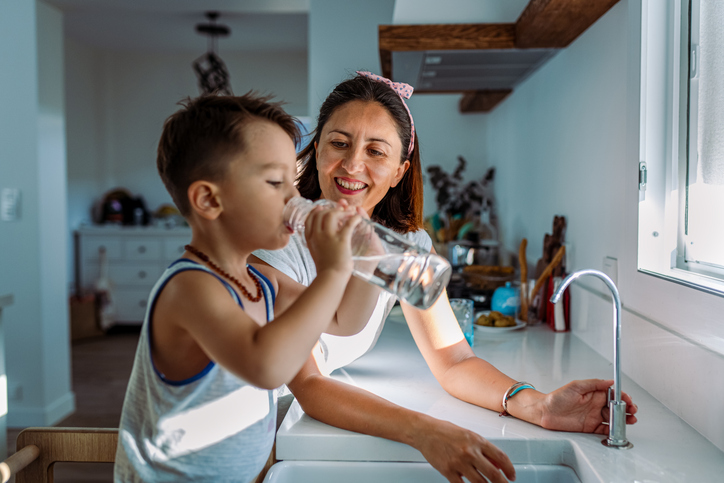
- Most consumers described essential use as water needed for hydration (63%) and personal hygiene (33%).
- Activities such as gardening and washing the car were widely viewed as non-essential, despite being part of many people’s normal routines.
- Most households are already taking steps to use water more efficiently, particularly easy, low-effort actions like turning off taps or running full loads. However, people are less willing to adopt measures they see as inconvenient or unhygienic, like washing bedding less often or not flushing toilets.
- While financial savings motivate 60% of customers to cut water use, environmental concerns are an even stronger influence, with 69% reducing usage to prevent waste and combat water scarcity.
- Those who haven’t taken steps to reduce water use often say it’s because they’re unsure whether it will make a significant difference in saving water (29%) or money (16%), or because they find it too inconvenient (15%).
- For many consumers, reducing water use has had a positive impact: 74% say it strengthens their sense of doing the right thing, while 55% feel it helps them set a good example at home.
- However, two-fifths of people are concerned that reducing their water use any further could affect their physical or mental health. For disabled consumers, this is even higher, with over a quarter expecting negative impacts if they were to cut back further.
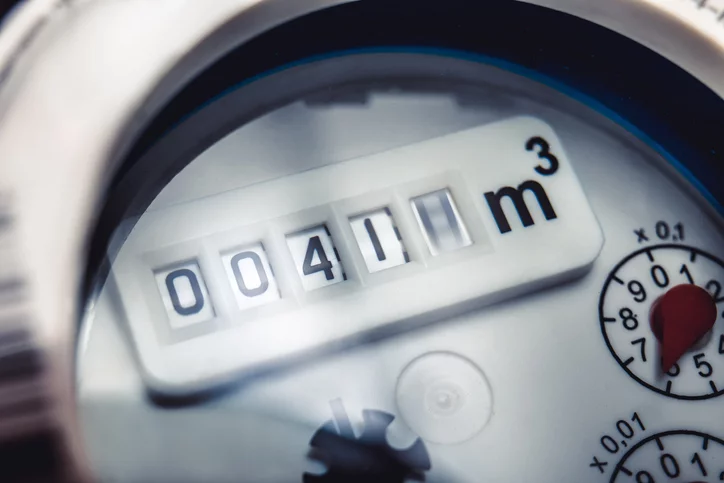
- Water-saving behaviours differ noticeably between metered and unmetered households. Those with meters are more proactive in reducing their usage, particularly to save money, and report more positive feelings about their efforts to save water. In contrast, unmetered households are less convinced that changing behaviour will lead to meaningful savings.
With over half of respondents saying that further reducing their water use would strengthen their sense of doing the right thing, there are real opportunities for water companies to empower customers to save more water. But the research also shows that others – particularly disabled people – may already be at their limit.
To support everyone effectively, companies should engage closely with customers and provide guidance that reflects their individual circumstances. Water-saving advice should focus on actions that can be adopted quickly, seamlessly and safely in everyday life, while also appealing to people’s sense of responsibility for the environment, their families and themselves. Practicality, convenience and visible, tangible results are key to encouraging stronger and broader behaviour change.