

Fairer and consistent support needed to help households combat more water bill rises

A fresh wave of water bill rises strengthens the case for fairer and more consistent support for struggling customers, who are still trying to absorb the impact of the previous unprecedented increase.
The Consumer Council for Water (CCW) has repeated its call for an overhaul of the existing postcode lottery created by water company social tariff schemes after Water UK announced the average water and sewerage bill would rise by around £33 (5.4%) from 1 April 2026. It comes on the back of the current year’s record rise in charges and will take the average bill to £639.
The increase marks the second year of a five-year package of bill rises to help pay for much-needed investment to improve services for customers and clean up rivers, seas and lakes.
Some households will face steeper rises with the increases for the main water and sewerage companies ranging from 0.4% to 10%. Other factors, such as whether a customer is metered and how much water they use, means the bill changes will vary considerably for customers depending on their circumstances.
Worries over the impact of water bill rises appear to be growing among customers with CCW seeing a 51% increase in complaints about water companies in 2025 – driven mainly by concerns around affordability and upset over the scale of last April’s increase.
Water companies have been increasing support for people struggling to pay but customers still face a patchwork of different social tariff schemes, meaning where someone lives – rather than their actual level of need – can too often determine what support they receive. As a result, some companies in England are in danger of breaking their public commitment to end water poverty by 2030.
CCW continues to make the case for a single social tariff for England and Wales, which would provide consistent and better targeted support for those living in water poverty.
Mike Keil, Chief Executive of the Consumer Council for Water (CCW), said:
We’ve seen complaints brought to CCW about the affordability of water bills almost triple in the past year and further bill rises will compound people’s worries. People support investment in improving services, but they are impatient for change and need to see compelling evidence their money is being well spent.
A stronger safety net is also needed for those who simply can’t afford these bill rises. Our independent review of water affordability back in 2021 made clear that a universal single social tariff would ensure financial support flows to where it is needed most. The postcode lottery of financial assistance created by existing water company social tariffs is unfair and unsustainable in the face of rising water bills.
There are steps households can take now to soften the impact of April’s bill rises including:
See if you’re eligible for a cut-price social tariff: Around 2 million struggling households saw their bills cut last year through water companies’ social tariffs. Eligibility and the level of support vary from company to company, but the average annual saving is around £190. CCW has a guide on our website.
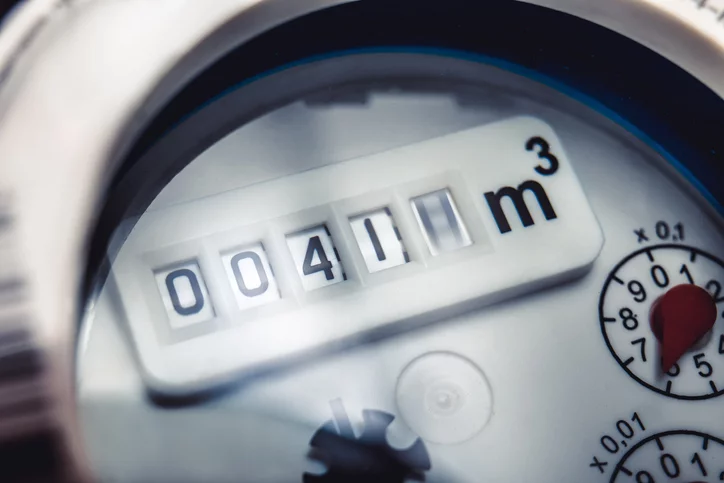
Trial a water meter: Around a third of households in England and Wales don’t have a water meter and some of these would benefit from switching. Not everyone will be better off with a meter but for some households the savings can be considerable. And, unless you live in a region where metering is compulsory, you can trial a meter for up to two years and switch back during that time if you are unhappy. CCW’s water meter calculator can help you work out if you might save with a meter.
Plug into water and energy savings: Much of the water we use in the home comes from the hot tap. That means if you have a water meter you can double up on water and energy savings too. For example, if every person in a family of four reduced their daily shower time by two minutes they could save just over £200 a year (water and energy combined).
Water companies offer a range of other support from payment breaks to debt write-off schemes. Read more on our Help with Bills pages